Reading history + AI, built for privacy and trust.

Made with Claude
(desktop only)
The problem
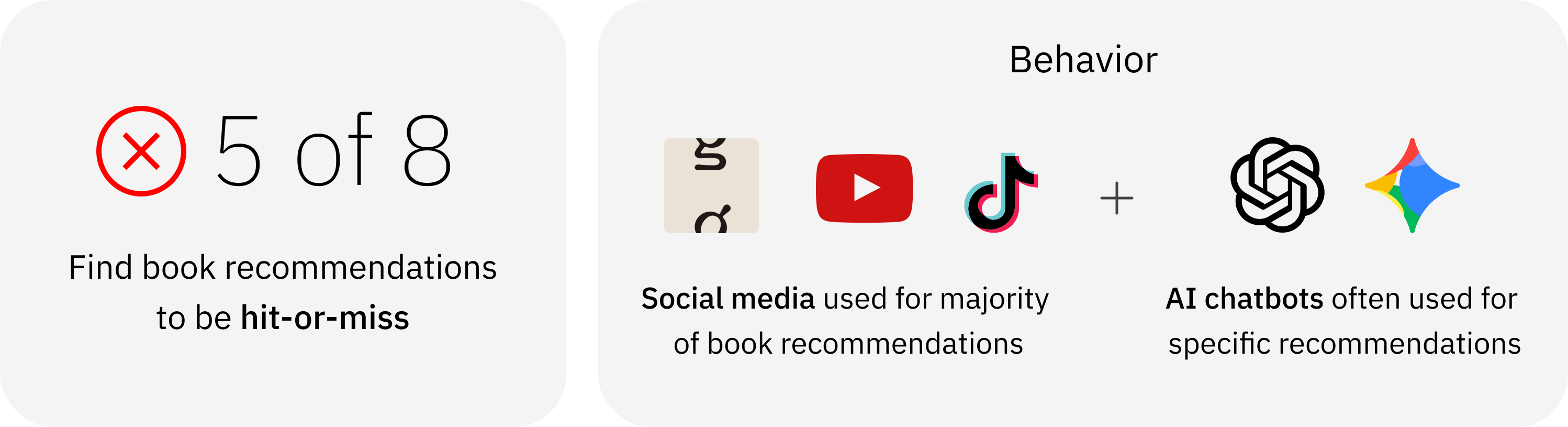
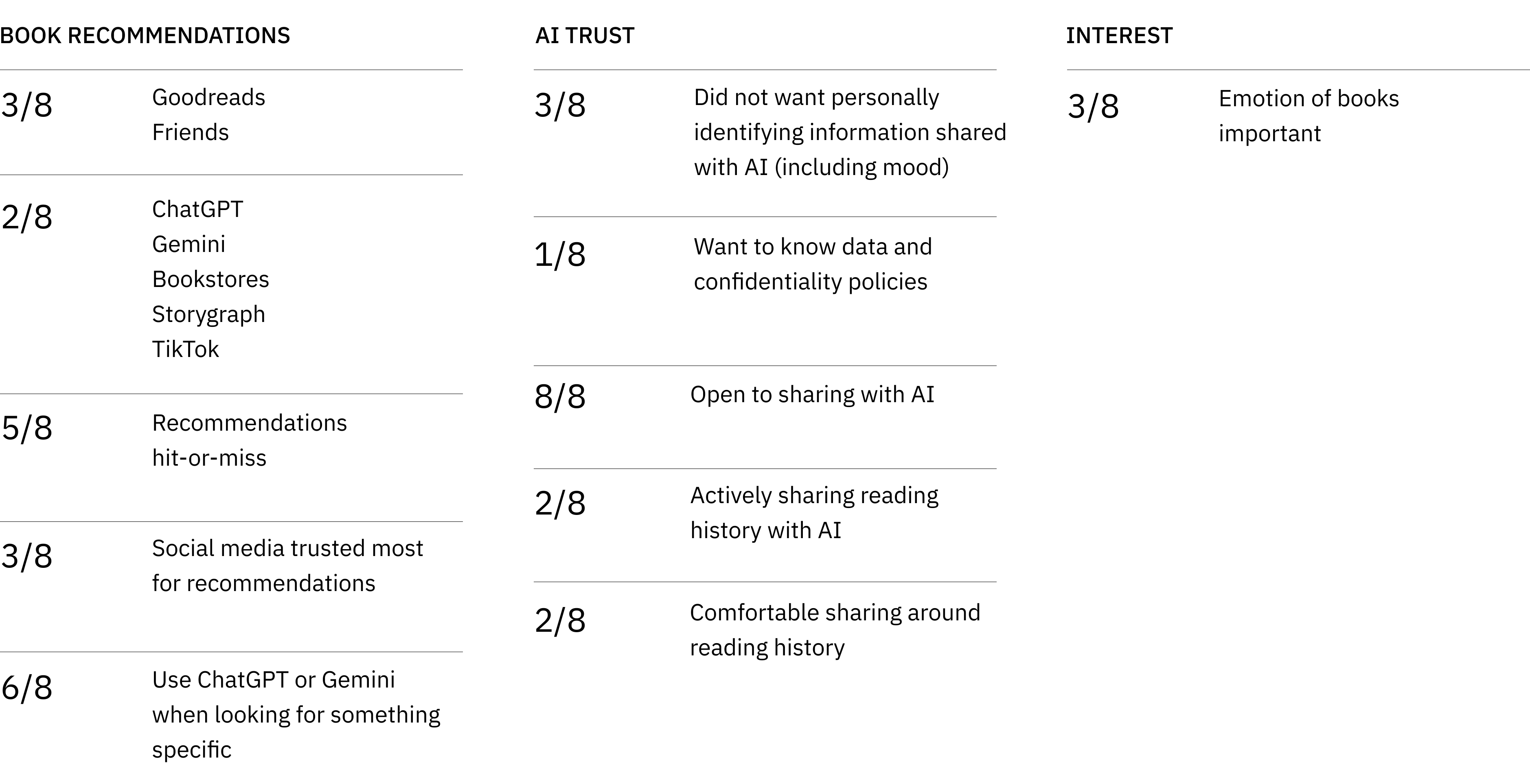
5 of 8 readers have trouble finding books they like, most often using social media (Goodreads, Youtube, TikTok) for recommendations, and AI chatbots for more specific recommendations.
User demographics
Exploratory interviews revealed Goodreads as the most cited social media platform for online book related activity, confirming it as a good platform to build for. Based on Goodreads traffic reports and largely similar survey respondent populations, the following parameters were made to create representative groups for subsequent randomized user testing panels of five participants:
GENDER
3 women
2 men
AGE
Age 18-24: 1 participant
Age 25-35: 2 participants
Age 35-44: 1 participant
Age 45-54: 1 participant
Books per year read
5-11 books: 1 participant
12-24 books: 3 participants
25-49 books: 1 participant
Country
USA
AI usage
Occasional to frequent
Reading content (genres varied)
~90% fiction
~10% nonfiction
Constraints
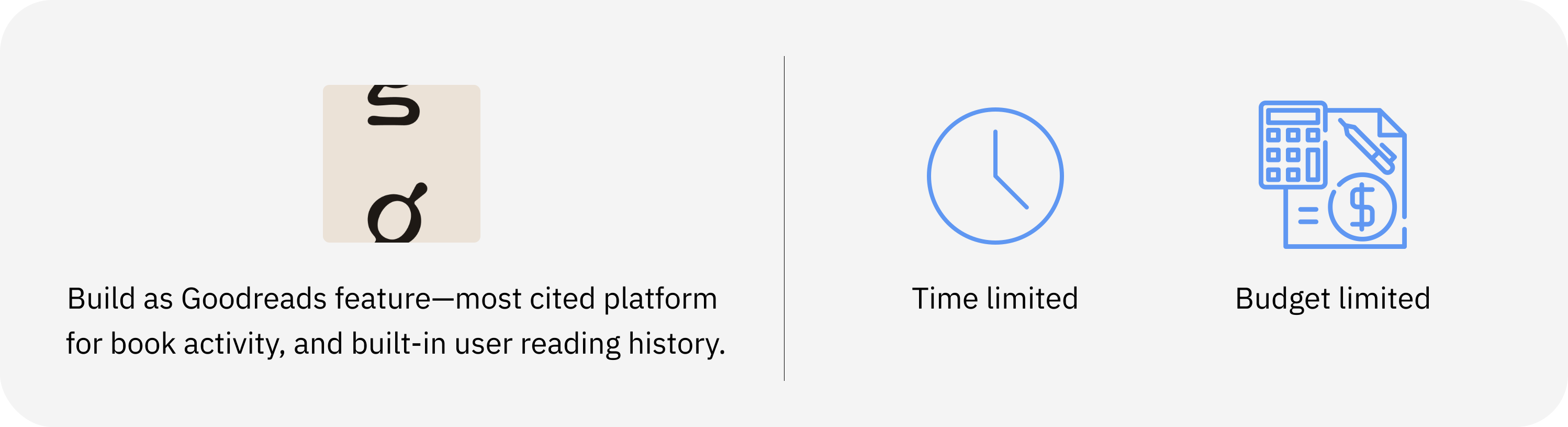
Exploratory research confirmed Goodreads as an appropriate platform for build. Time and budget were limited.
Exploratory research
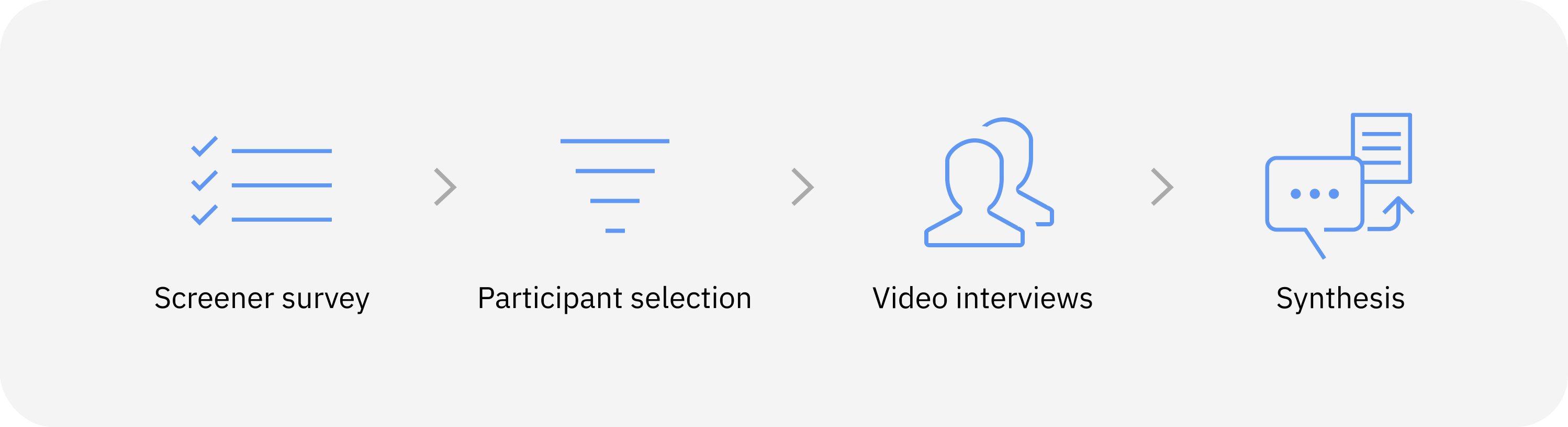
Screener survey was built to assess demographics and behavior—survey was chosen for speed, breadth and specificity.
Eight participants were selected to capture broad array of reading volumes and styles, with some curve toward Goodreads user behaviors (shown in survey responses as a significantly used platform) and AI familiarity (as most respondents were frequent to occasional users of AI). Survey respondent population largely mirrored Goodreads demographics and behavior.
Video interviews were conducted to capture in-depth qualitative information—findings are below:
Ideation
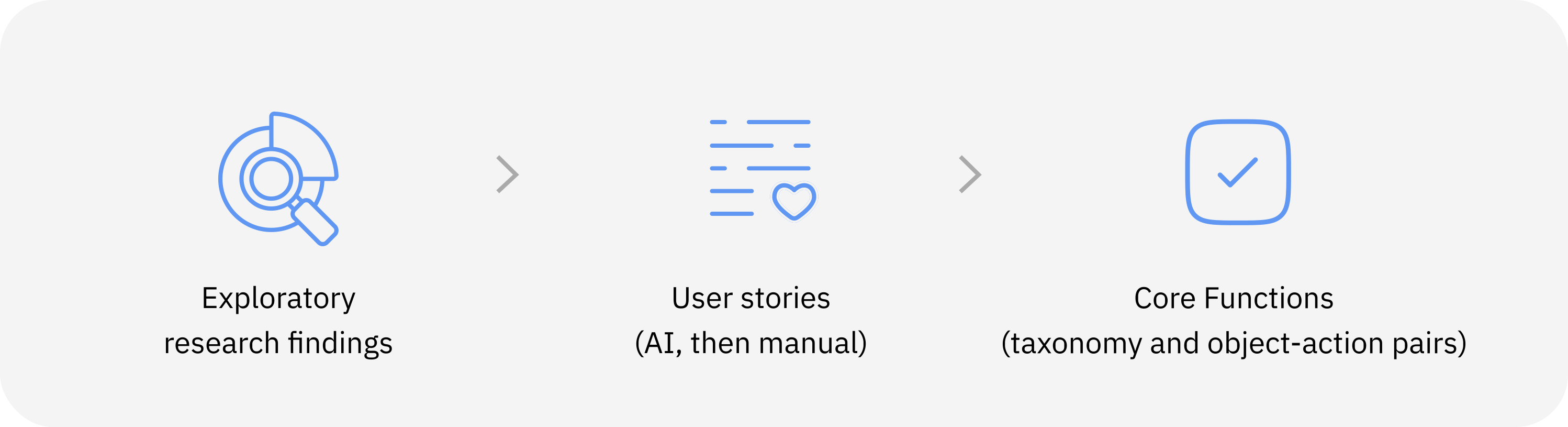
Exploratory research findings were elaborated into user stories to capture a breadth of scenarios, and then deconstructed into the core functionality required by users.
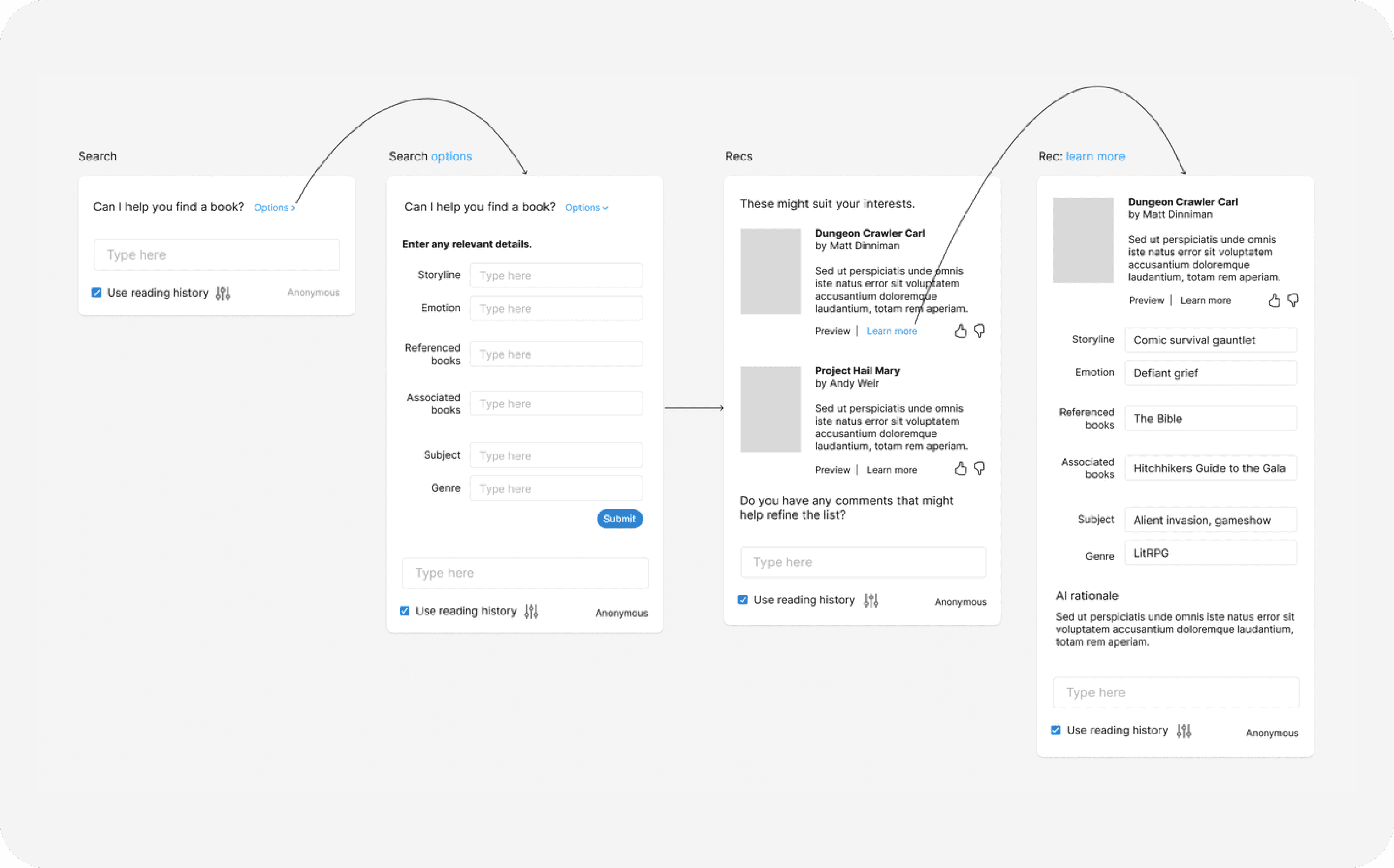
Iteration 1: Taxonomy-based user flow
A preliminary user flow leveraging the taxonomy was made into a clickable prototype with aid of Claude, and quickly deemed too complicated for general use.
Iteration 2: Essentials
For ease of use, the user flow was simplified to a basic prompting function. Any taxonomy would just surface naturally in the prompt.

Iteration 3: Chatbot for Goodreads
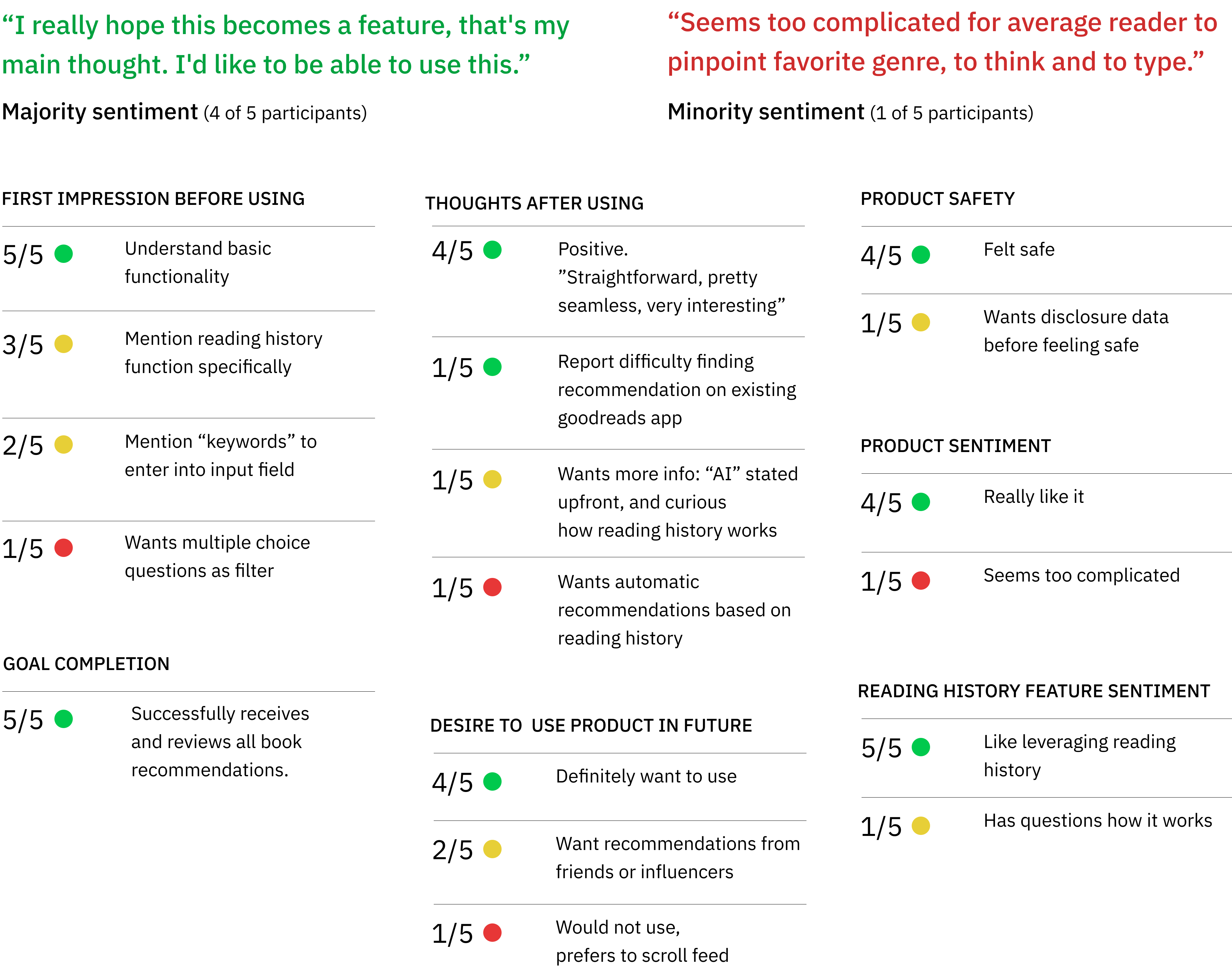
The simplified user flow was elaborated as a Goodreads app feature and run through usability testing (results table below).
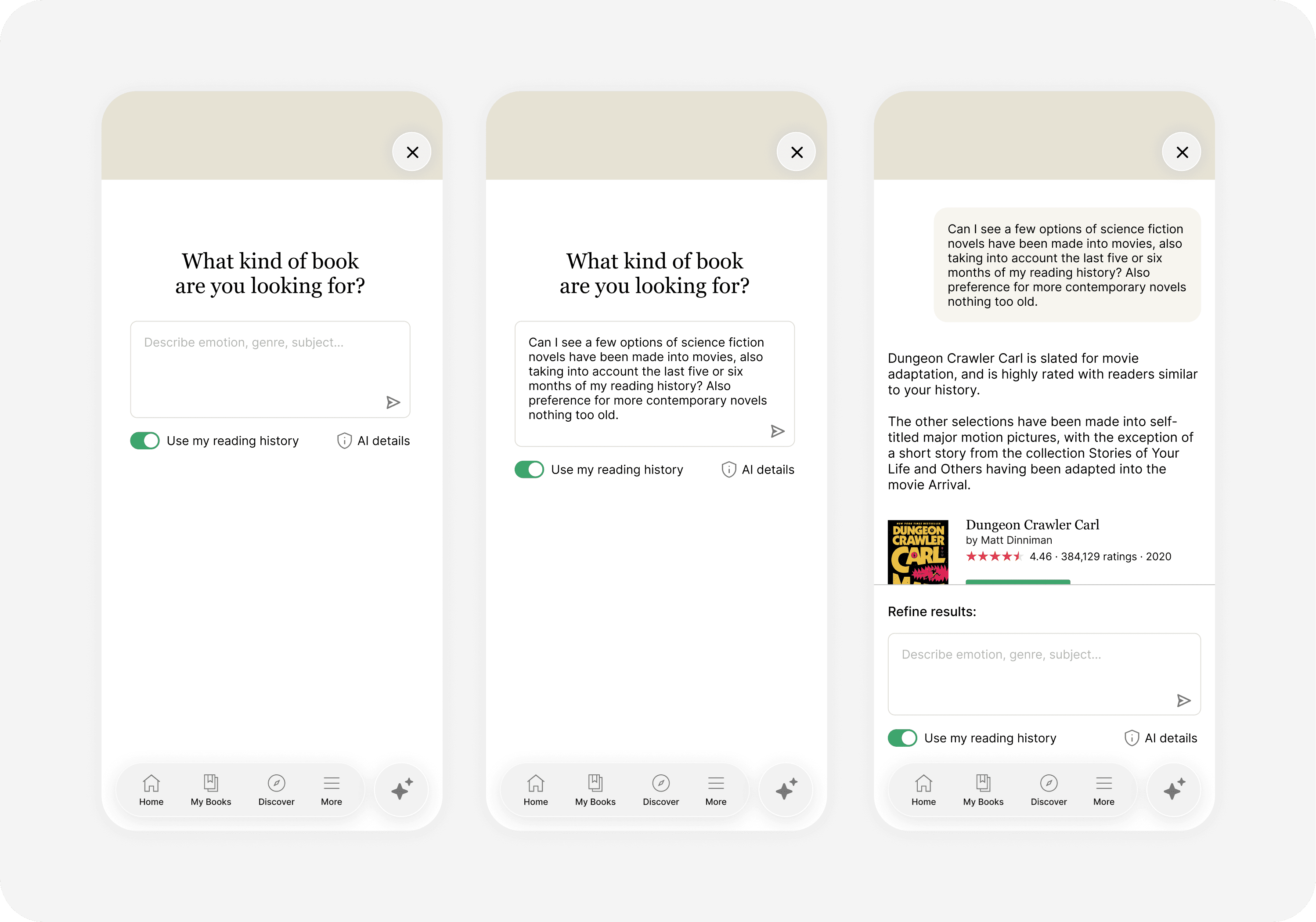
The chatbot prototype was tested with 5 participants, revealing areas for improvement and a possible need for automatically populated recommendations features (Iteration 4).
Everyone reached the goal without error, and all participants liked using their reading history to get recommendations.
Iteration 4: Automatic variations (per usability testing)
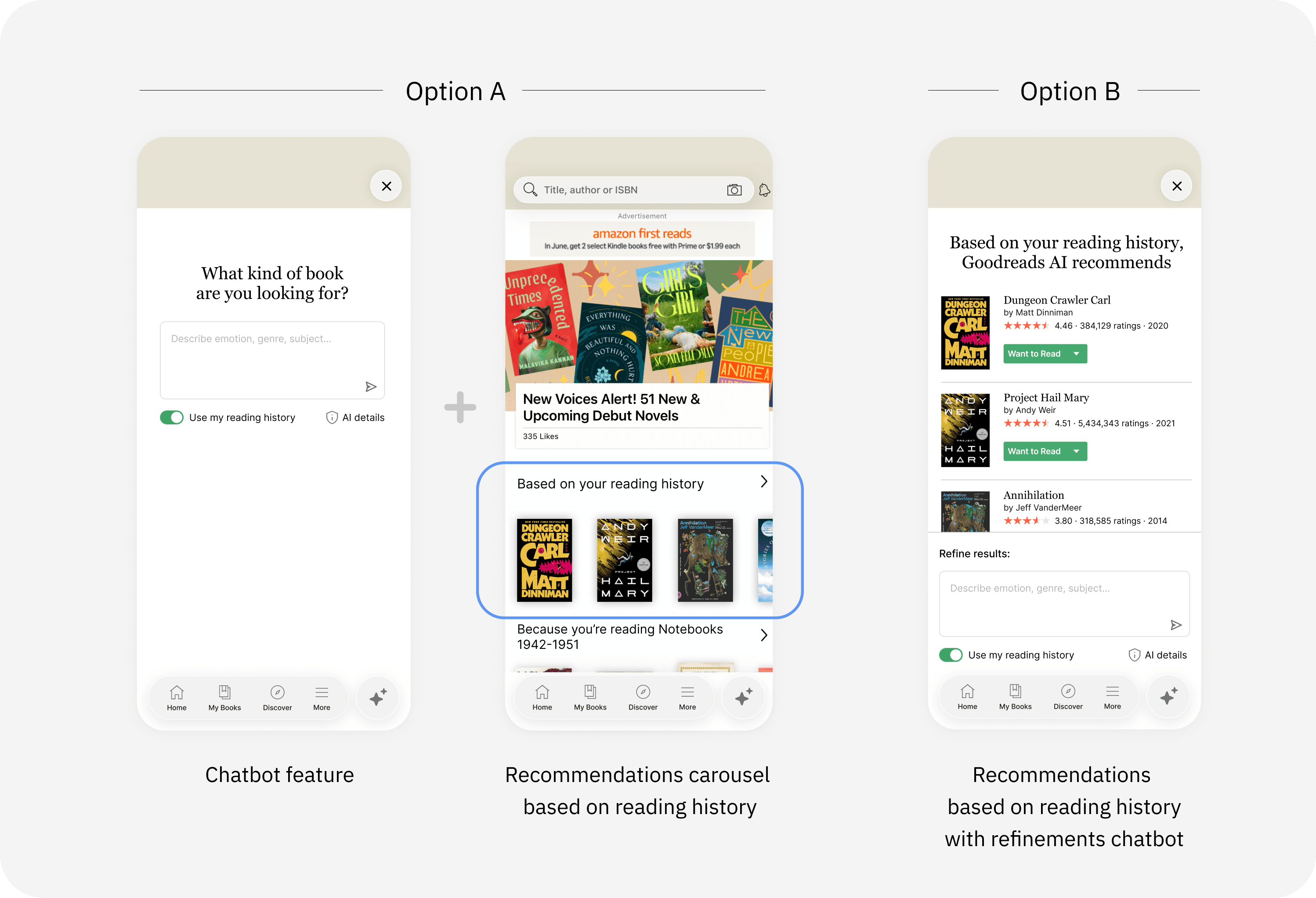
One of the usability testing participants found thinking and typing to get recommendations to be too complicated. This pointed to developing several options that would pre-populate recommendations based on the reading history, with and without the option to refine.

Next steps
Incorporate business interests to define which options to pursue and test. Some possible routes are below. Separately, 2 of 5 interviewees mentioned wanting influencer recommendations, so that is a viable route to explore as well.